Quo vadis, o museum?
At Arkas Art Urla near Izmir, collector Lucien Arkas opens his museum to share works by Rodin, Camille Claudel, historic weapons, and Flemish tapestries. The RYW Club, a Swiss non-profit, addresses a key problem: most significant cultural objects remain invisible or dispersed when collectors lack preservation infrastructure.
When Private Passion Becomes Public Heritage
I recently visited Arkas Art Urla, a private museum in Urla near Izmir that houses part of the personal collection of Lucien Arkas, Chairman of Arkas Holding.
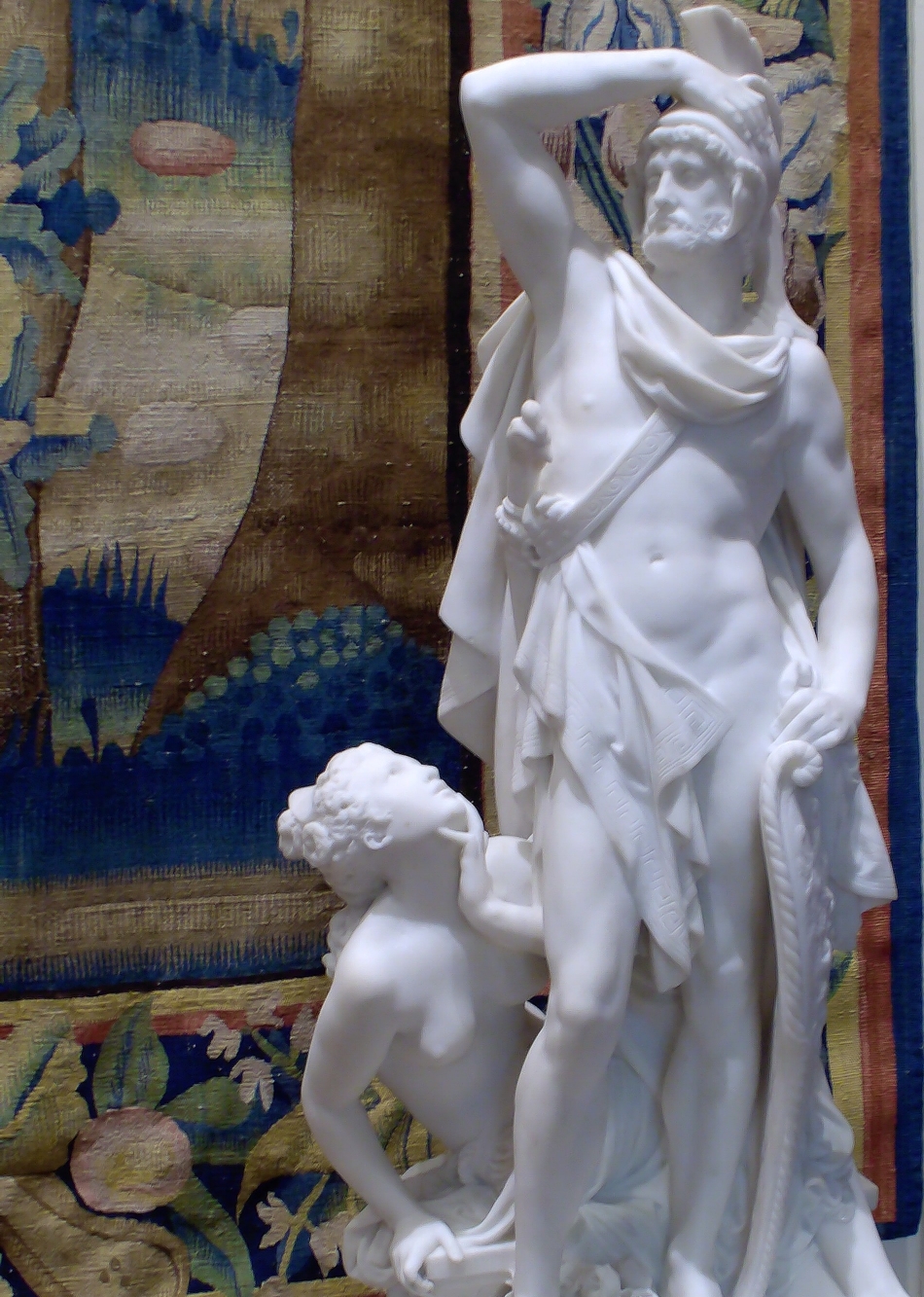
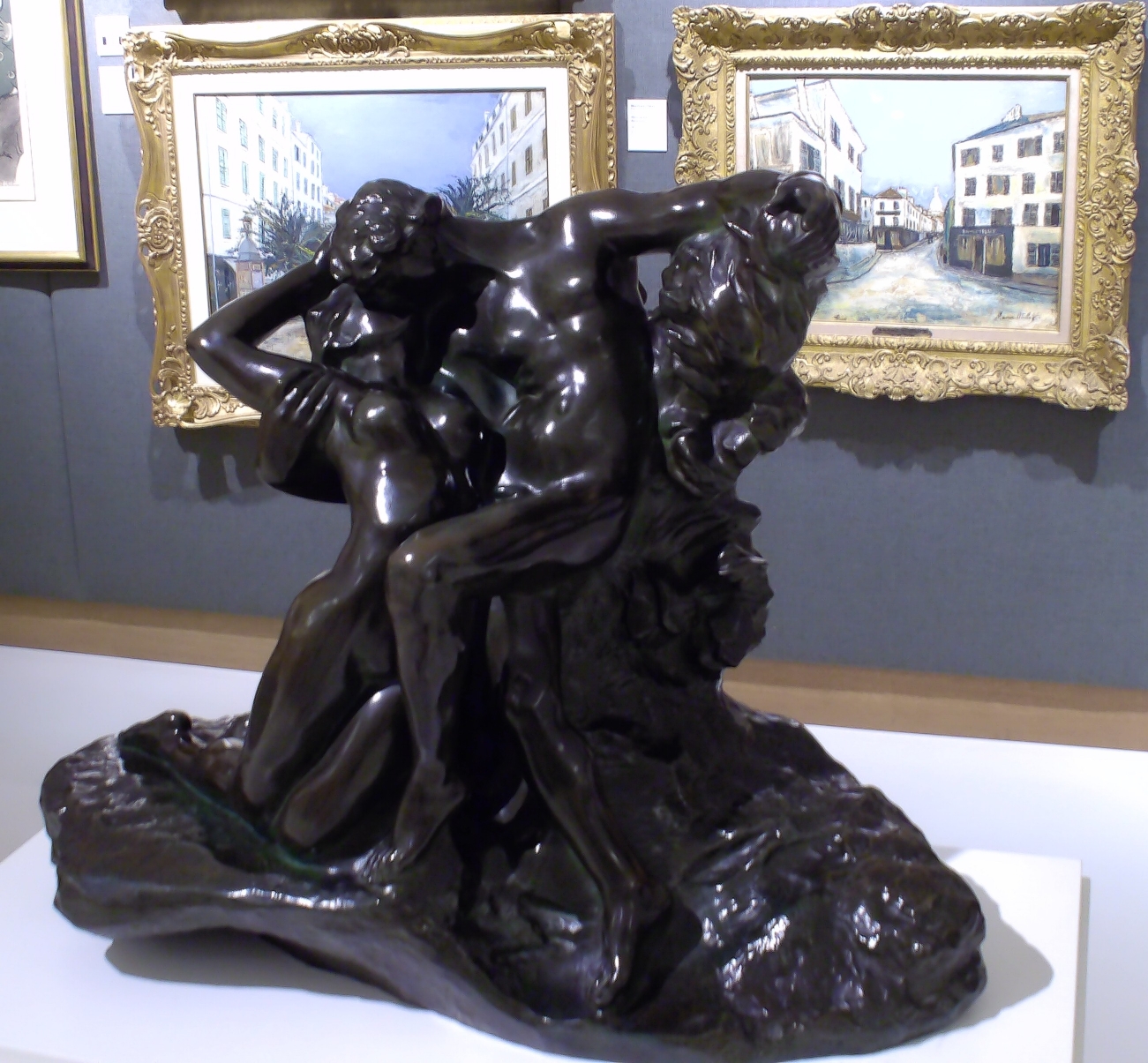
The experience is remarkable. One floor is dedicated to European masters of the late 19th and early 20th century. There are sculptures by Rodin and Camille Claudel, 16th-century armour and weapons from European royal courts, and a room devoted to Flemish tapestries. Everything is preserved to museum standards — and everything is open to the public.
It is, by any measure, extraordinary.
Walking through the galleries, one thought kept returning: this exists because one person decided it should. Lucien Arkas could have kept the collection private. Instead, he created multiple venues across Turkey and opened the doors. That single decision transforms a private passion into a shared cultural resource. A painting locked away remains invisible. The same painting in a museum becomes part of an ongoing conversation.
The Larger Question
But this visit also raised a more difficult question.
What happens to cultural heritage when the collector does not have multiple venues and a major holding company behind them?
The vast majority of significant cultural objects — antique artefacts, classic vehicles, rare instruments, works of art, historic books and manuscripts — are held by private individuals. Most of these collectors have no realistic mechanism to share their objects, limited infrastructure to preserve them properly, and no community that gives the pieces meaning beyond personal ownership.
As a result, many important objects remain in storage rooms or private display cases. Others eventually enter the auction market and are dispersed, often becoming invisible once again.
This is not a criticism of collectors. It is a structural problem. The barriers to responsible cultural ownership — financial, logistical, and knowledge-related — are simply too high for most people. The current system leaves little room between extreme wealth and complete exclusion.
Building an Alternative
The RYW Club was created as an attempt to build something in between.
It is a Swiss non-profit association that acquires real cultural objects, documents them rigorously, preserves them to professional standards, and connects them to a community of members through blockchain-based membership certificates.
It is not a traditional museum.It is not an auction house. And it is not a speculative NFT project.
It is a community with a clear legal structure, transparent governance (the association’s statutes are publicly linked on every membership NFT), and a genuine commitment to making cultural heritage accessible to people who care about it — regardless of personal wealth.
Inspiration and Ambition
Arkas Art Urla stands as a powerful inspiration. It demonstrates that private passion, when deliberately opened to the world, can create something larger than itself.
The RYW Club asks whether that act of opening can be democratised.
Not through venues funded by a large holding company, but through a model in which a defined group of members is connected to real objects — each participating in a story that outlasts any single individual.
Cultural heritage does not have to remain either locked away or reserved for the few. There is space to build something more accessible, more collective, and more enduring.
rate-your-world.com
Interested in the world of real treasures?